Archives
- 2026-11
- 2026-10
- 2026-09
- 2026-08
- 2026-07
- 2026-06
- 2026-05
- 2026-04
- 2026-03
- 2026-02
- 2026-01
- 2025-12
- 2025-11
- 2025-10
- 2025-09
- 2025-03
- 2025-02
- 2025-01
- 2024-12
- 2024-11
- 2024-10
- 2024-09
- 2024-08
- 2024-07
- 2024-06
- 2024-05
- 2024-04
- 2024-03
- 2024-02
- 2024-01
- 2023-12
- 2023-11
- 2023-10
- 2023-09
- 2023-08
- 2023-07
- 2023-06
- 2023-05
- 2023-04
- 2023-03
- 2023-02
- 2023-01
- 2022-12
- 2022-11
- 2022-10
- 2022-09
- 2022-08
- 2022-07
- 2022-06
- 2022-05
br Concluding Remarks and Future
2023-01-28
Concluding Remarks and Future Perspectives The collective evidence from studies detailing the functions of AMPK in the neuromuscular system, combined with those in DMD, SMA, and DM1 surveyed in the present review, strongly suggests that AMPK is a central mediator of neuromuscular determination, m
Implicit in this concept is the
2023-01-27
Implicit in this concept is the idea that the β-adrenoceptors in the detrusor would be activated by adrenergic nerves of the sympathetic system: sympathetic activity promoting relaxation and enhancing bladder capacity. However, it has been demonstrated that there is only a sparse adrenergic innervat
Another open question is whether GABA
2023-01-26
Another open question is whether GABA and ACh are released from the same synaptic vesicles, or even the same presynaptic terminals. Multi-transmitter neurons may either function through co-release, in which multiple neurotransmitters are packaged into the same presynaptic terminal and are therefore
br Acknowledgements This work was supported by the Victorian
2023-01-26
Acknowledgements This work was supported by the Victorian Government Operational Infrastructure Support Program. KAB is supported by the Mavis Robertson Fellowship from the National Breast Cancer Foundation (NBCF; ECF-16-004), by an NBCF Novel Concept Award (NC-14-011), and by NHMRC project grant
The neural circuitry involved in the
2023-01-26
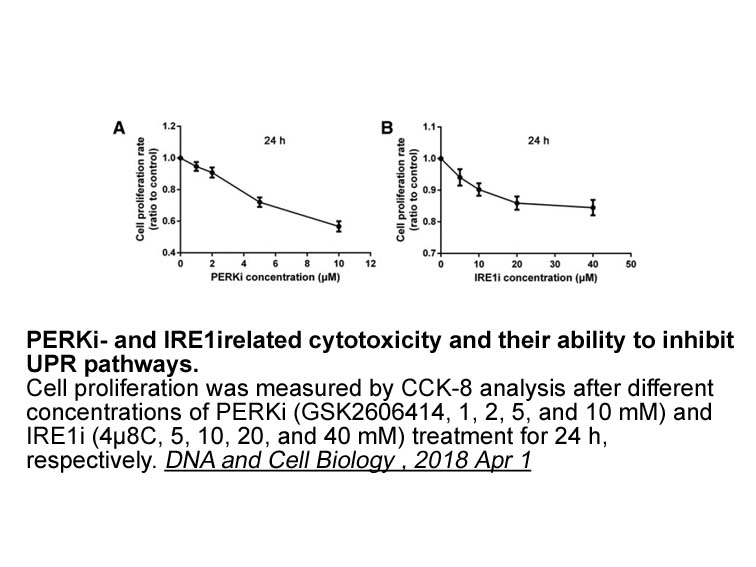
The neural circuitry involved in the production of the EOD, its modulations, and in the sensory processing of communication signals has been well characterized (Bell and Maler, 2005; Chacron et al., 2011; Krahe and Maler, 2014; reviewed in Metzner, 1999). Pacemaker cells located in the pacemaker nuc
br Results We set out to identify in an unbiased
2023-01-24
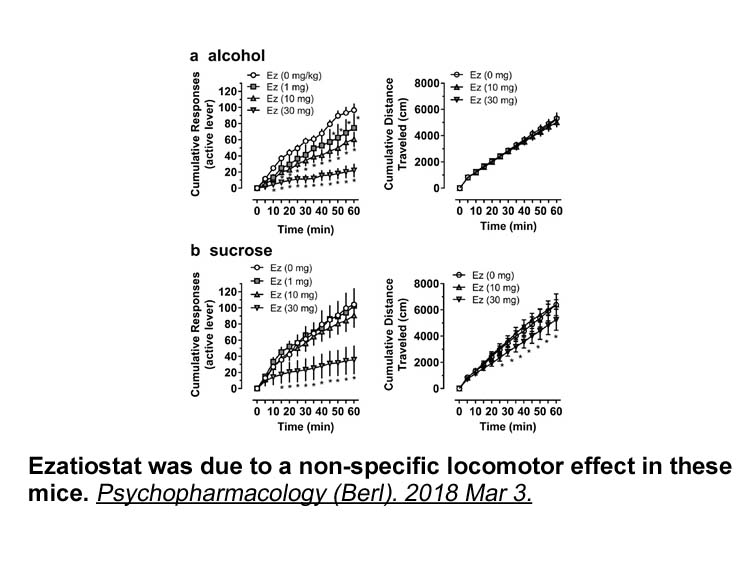
Results We set out to identify in an unbiased manner a set of candidate “scaling factors” that might participate in transcription-dependent synaptic scaling up. The ex vivo slice and profiling studies were conducted on HsCt5 mice (described later) at postnatal day (P) 14 to P15, an age at which s
br Animal models of NAFLD Human research
2023-01-24
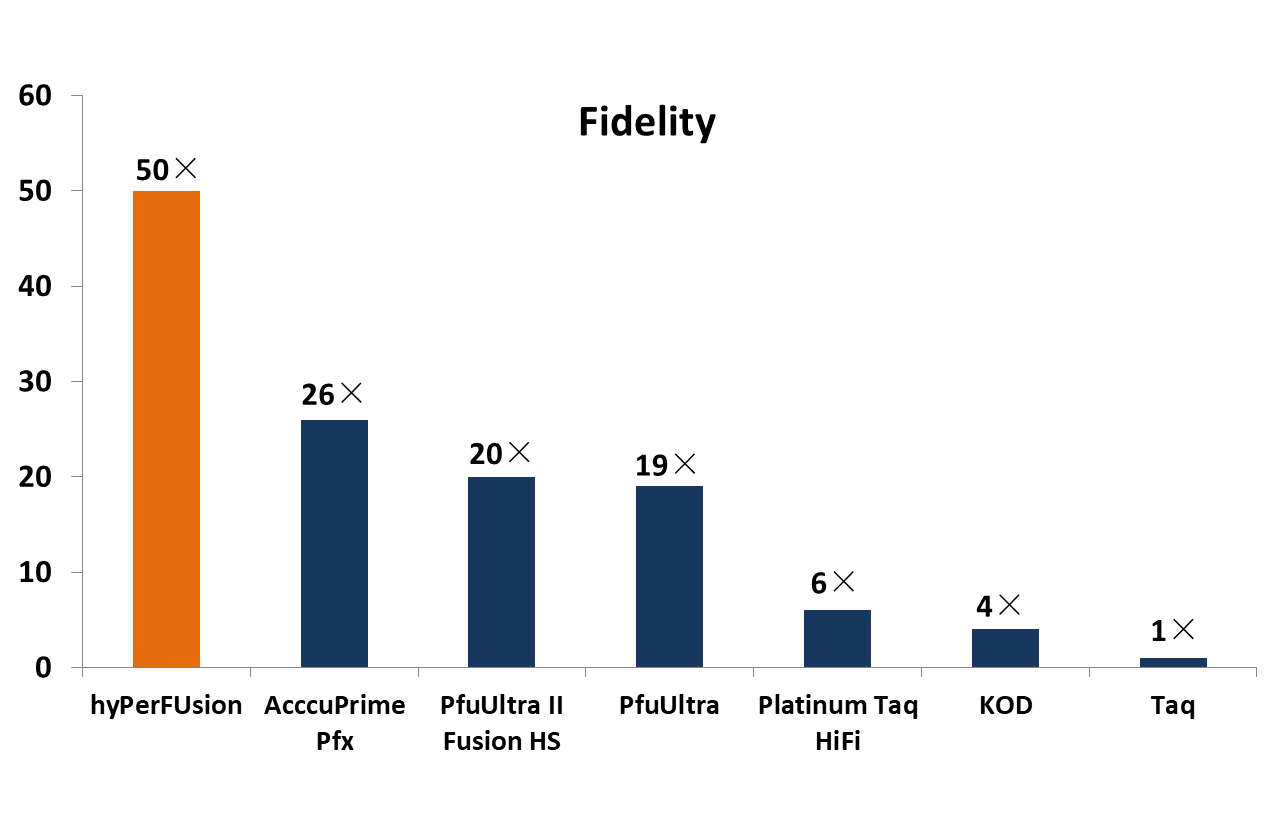
Animal models of NAFLD Human research has greatly shaped our understanding of non-alcoholic fatty liver disease, but several limitations exist in studying the disease processes in humans, such as variations in environmental exposure, pre-existing genetic risk factors, racial and ethnic difference
Phytoremediation technology is defined as the use of plants
2023-01-24
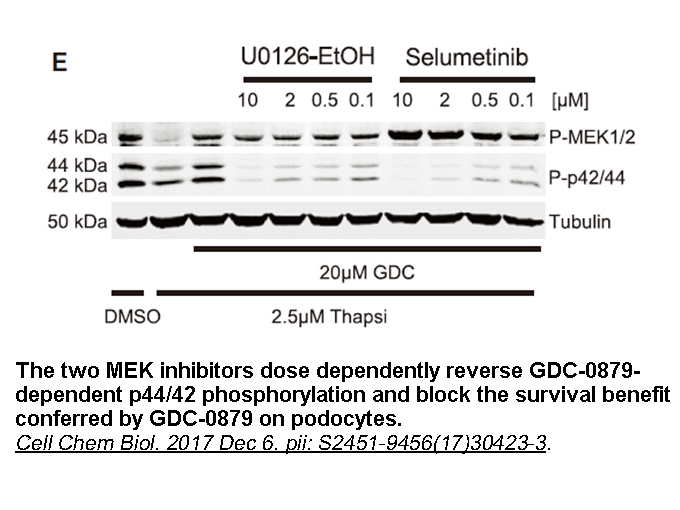
Phytoremediation technology is defined as the use of plants to remove contaminants from soils or to render them harmless, and is regarded as a cost-effective, environmental-friendly method for reclaiming soils contaminated by toxic metals (Lasat, 2002, Mahar et al., 2016, Marrugo-Negrete et al., 201
Alectinib is a second generation ALK antagonist that is
2023-01-24
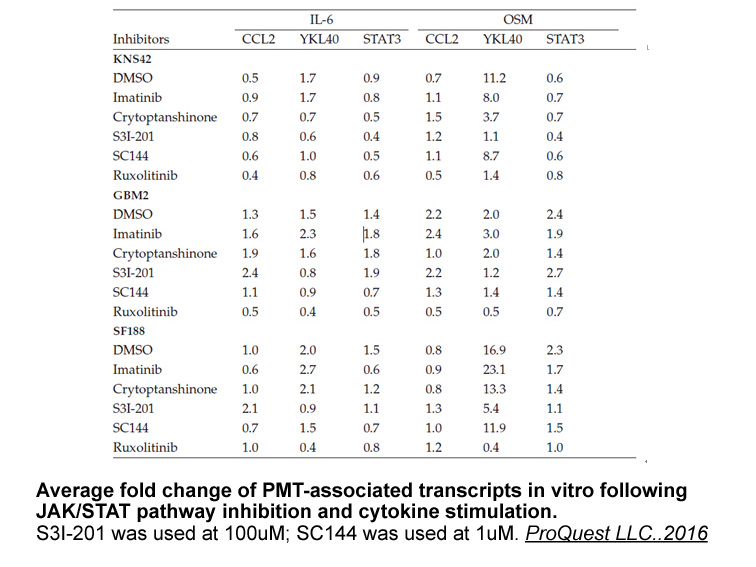
Alectinib is a second generation ALK antagonist that is built upon a 9-ethyl-6, 6-dimethyl-11-oxo benzo[b]carbazole scaffold (Fig. 5C) [58]. This drug is effective against the ALK L1196M gatekeeper mutation along with C1156Y and F1174L mutations [7]. The 11-oxo group of the drug forms a kinesin spin
Recently a Phase III study demonstrated that alectinib the s
2023-01-24
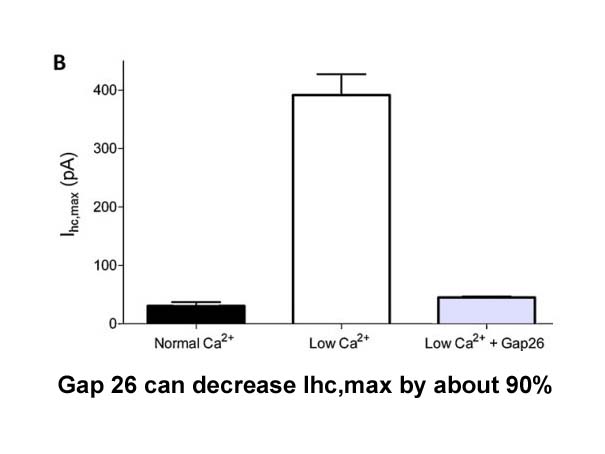
Recently, a Phase III study demonstrated that alectinib, the second-generation ALK inhibitor, might have a better response to ALK-rearrangement patients than crizotinib [10]. Should alectinib replace crizotinib as the frontline treatment for ALK-rearranged patients? Or should those patients be treat
br Results br Discussion To achieve quantitative understandi
2023-01-24
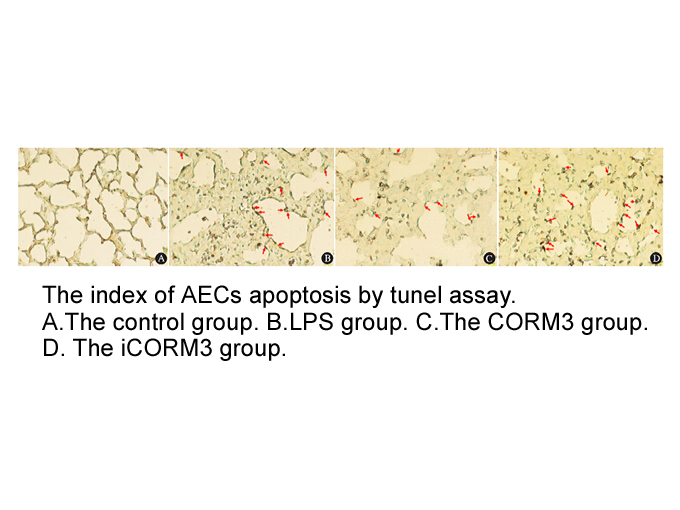
Results Discussion To achieve quantitative understanding of beta lactamase inhibitor turnover, we utilize rapidly moving lamellipodial fragments that are geometrically simple, structurally homogeneous, and persistent, and measure relevant rates and concentrations in this system. We find that
During the year study period of men in the dutasteride
2023-01-24
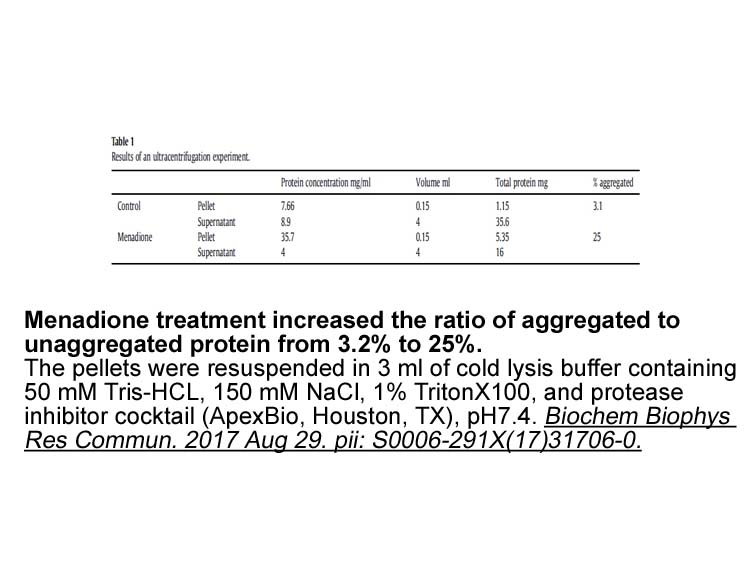
During the 4-year study period, 19.9% of men in the dutasteride group developed prostate cancer as compared to 25.1% in the placebo group, which represents an absolute risk 3-Deazaneplanocin of 5.1% for men taking dutasteride (Pe weighed against the prospect of undesirable sexual side effects and d
Based on these findings the time point
2023-01-24
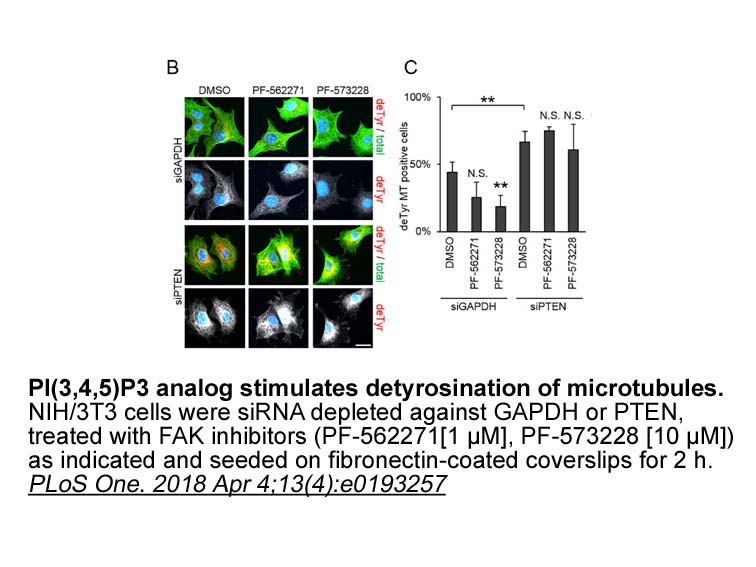
Based on these findings, the time point for manipulating autophagy may also determine its role, whereby autophagy induction performed before ischemia could play a protective role but have an opposite effect once ischemia/reperfusion has occurred. This hypothesis is further supported by the protectiv
ER 27319 maleate synthesis Thiol are reduced by two major re
2023-01-24
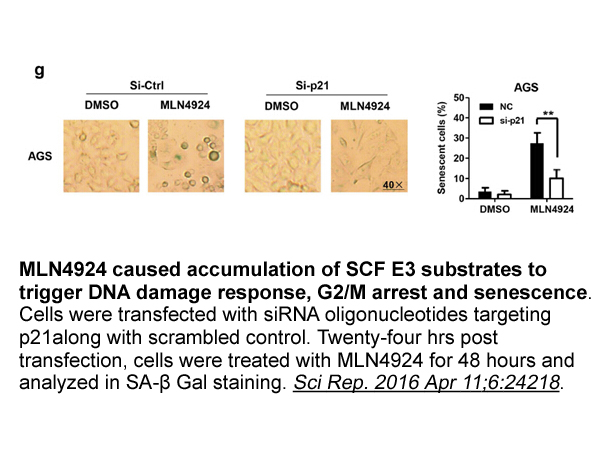
Thiol are reduced by two major redox systems, glutathione/glutaredoxin (GRX) and thioredoxin (TRX), which have been extensively studied in plants [13], [14], [15]. Glutathione, a thiol-containing tripeptide, exists in a reduced (GSH) or an oxidized form (GSSG). It has a major role as a redox buffer.
Asparagine synthetase ASNS is a glutamine amidotransferase t
2023-01-21
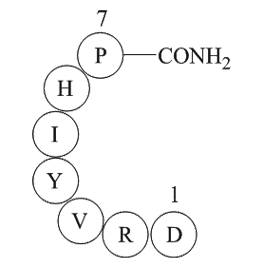
Asparagine synthetase (ASNS) is a glutamine amidotransferase that catalyzes ATP-dependent synthesis of asparagine and glutamate from aspartate and glutamine. Upregulation of ASNS expression renders leukemia cells resistant to l-asparaginase treatment, and ASNS is essential for cell survival in the a
7175 records 375/479 page Previous Next First page 上5页 371372373374375 下5页 Last page